
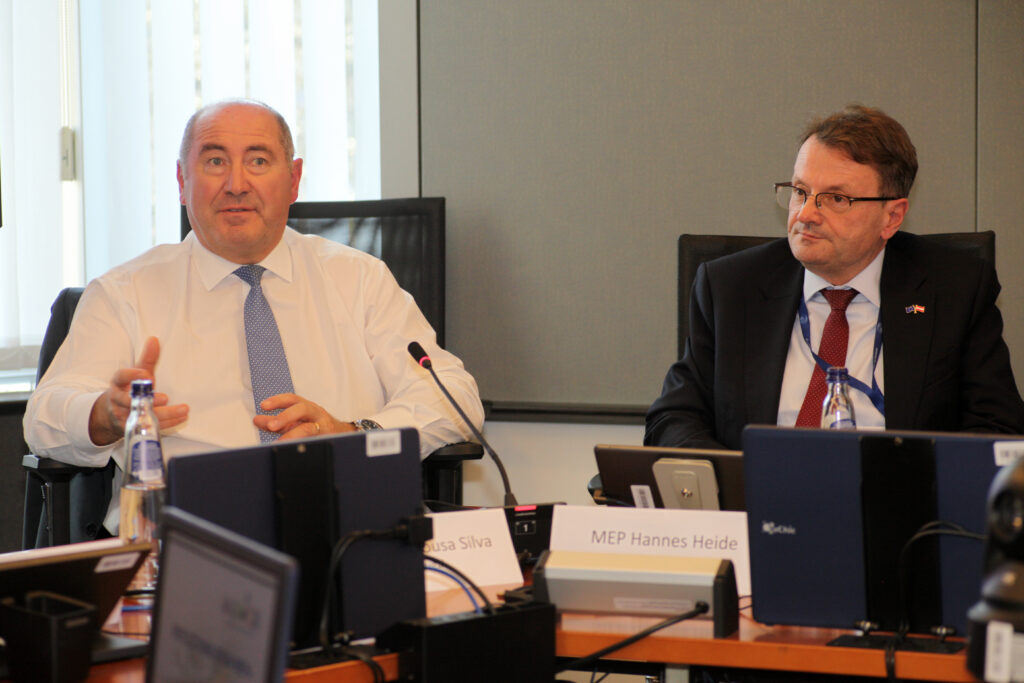
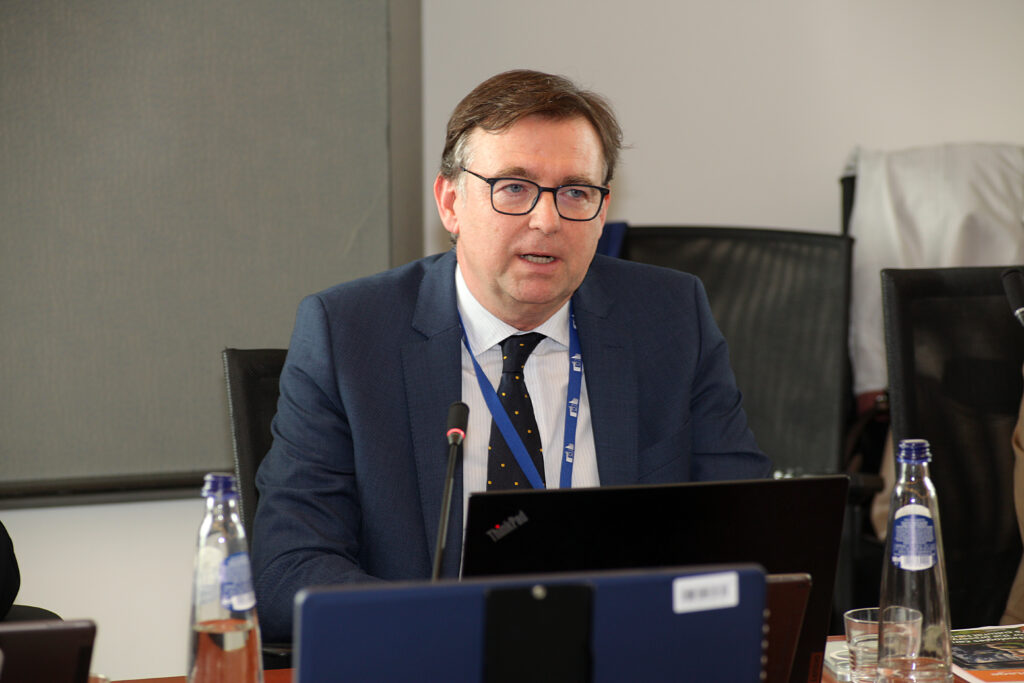
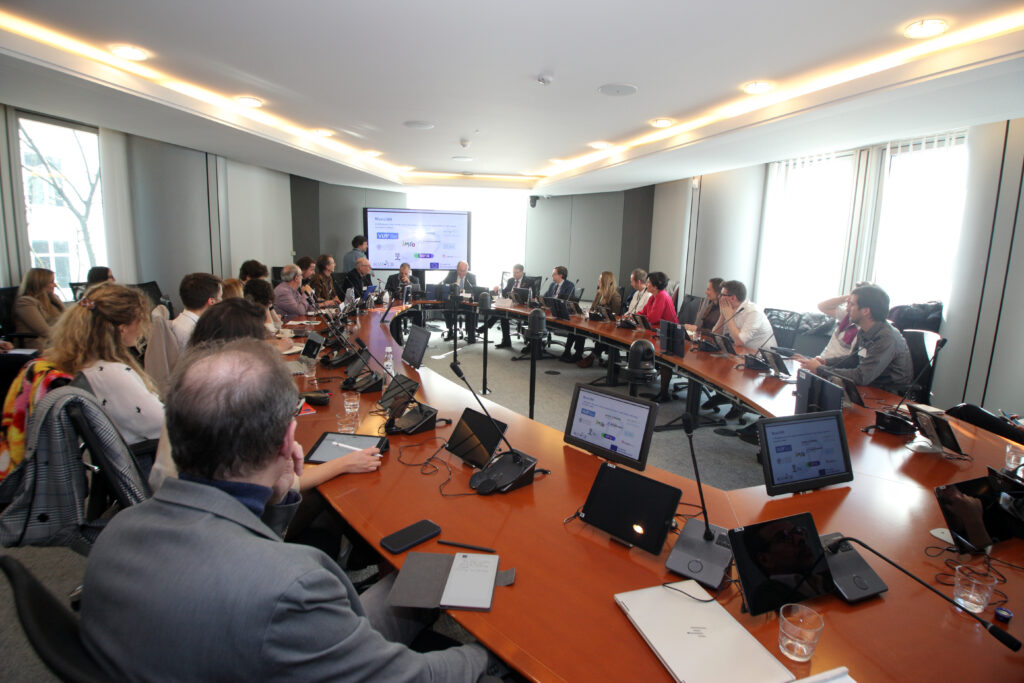
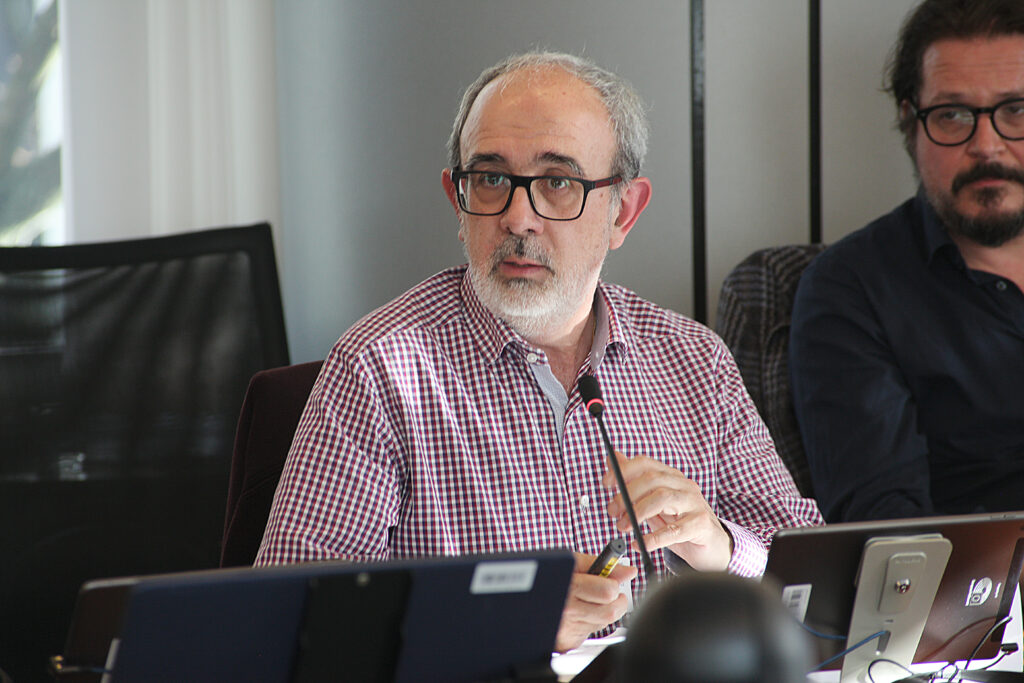
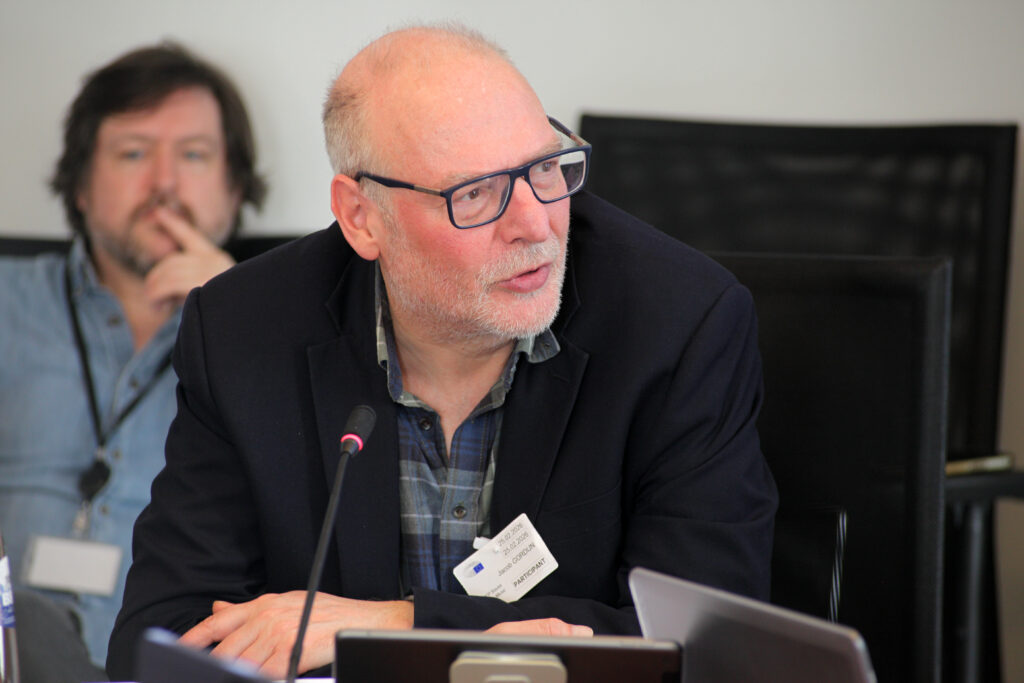
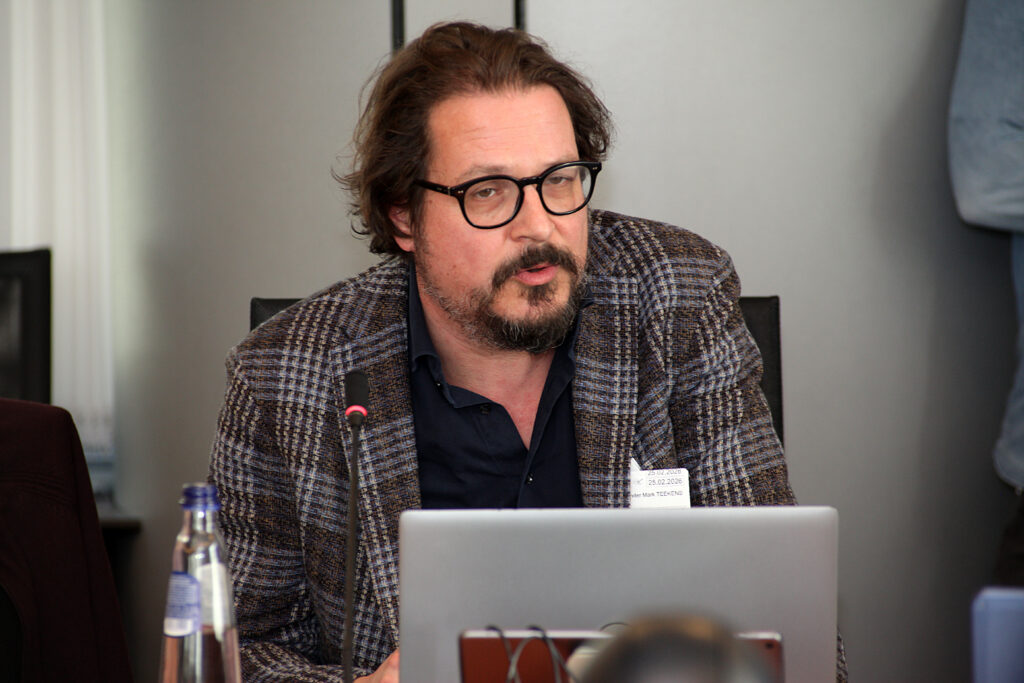
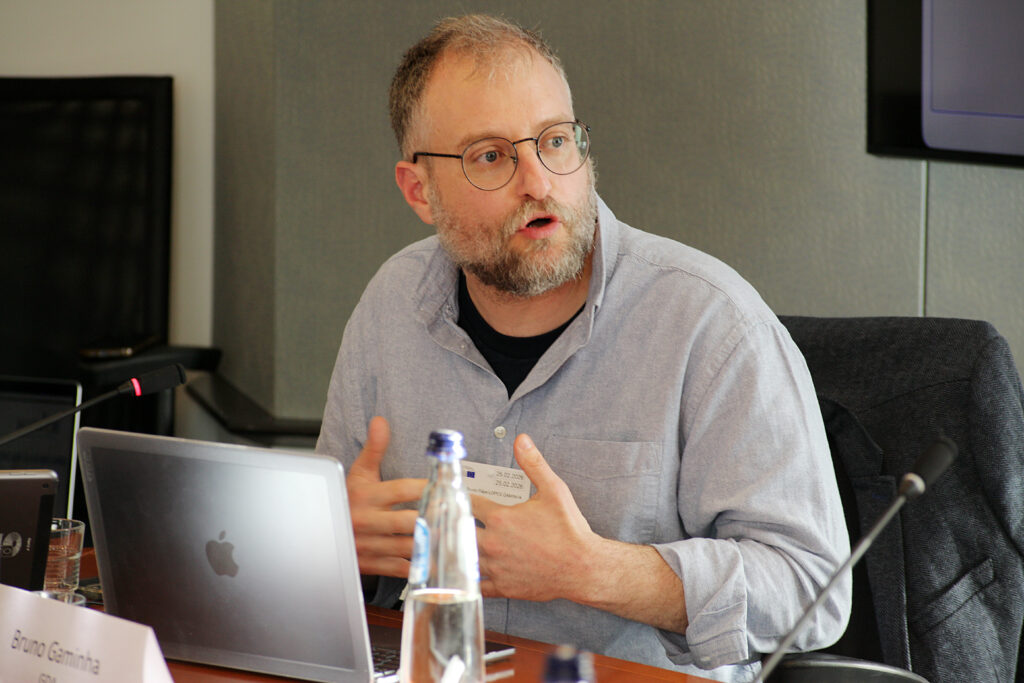
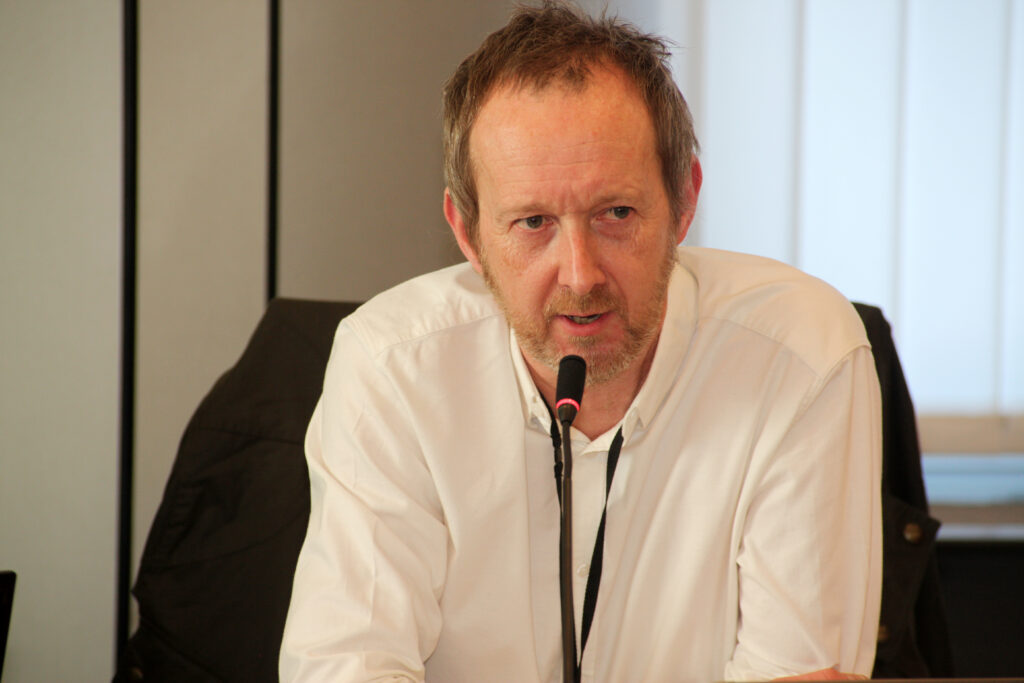
On 25 February 2026, AEPO-ARTIS organised an event at the European Parliament, hosted by MEP Hélder Sousa Silva, presenting the results of the Horizon Europe Music360 project.
Music360 is a project that aims to examine the value of the public performance of music and brings together a number of partners, including AEPO-ARTIS members, GDA, SENA and Gramex Finland (via music licensing body GTM).
The meeting, hosted in collaboration with MEP Hélder Sousa Silva — member of the Budget (BUDG) and Culture and Education (CULT) Committees was the final event of the Music360 project, at which its findings and recommendations were presented, in the presence of a delegation of the Commission, led by Mr. Patrico Ortiz De La Torre, head of sector at the European Research Executive Agency (REA).
A significant part of the event focused on the Living Labs carried out in the Netherlands and Spain. The Dutch experiments, presented by representatives from SENA and Vrije Universiteit Amsterdam, explored the impact of music tempo on retail environments. Results indicated that while music tempo did not directly increase turnover, it had measurable effects on employee mood and job satisfaction.
The Spanish Living Lab, led by Professor Conrado Carrascosa López (Universitat Politècnica de València) looked at the therapeutic use of music during chemotherapy sessions. Data collected showed music improved patient wellbeing and was greatly appreciated by staff.
The meeting also included a demonstration of the Music360 digital dashboard by Bruno Gaminha of GDA. The dashboard shows how data on music use can be aggregated and analysed to the benefit of both rightsholders and policymakers.
AEPO-ARTIS’ Head of Legal, Nick Yule presented policy recommendations arising from the project, notably the creation of a dedicated music section within a future EU Cultural Data Hub and the establishment of a stakeholder group to continue work done, but to also encompass the impact of generative AI, especially on the public performance of music.
The session concluded with reflections from MEP Hannes Heide who expressed positive views on several elements of the project, including the importance of reliable data for future cultural policy initiatives and the creation of an EU Cultural Data Hub.
Sincere thanks go to MEP Hélder Sousa Silva who has shown himself in recent months to be a true fighter for the cultural sector, and particularly for his statement that his “door is always open for AEPO-ARTIS”.