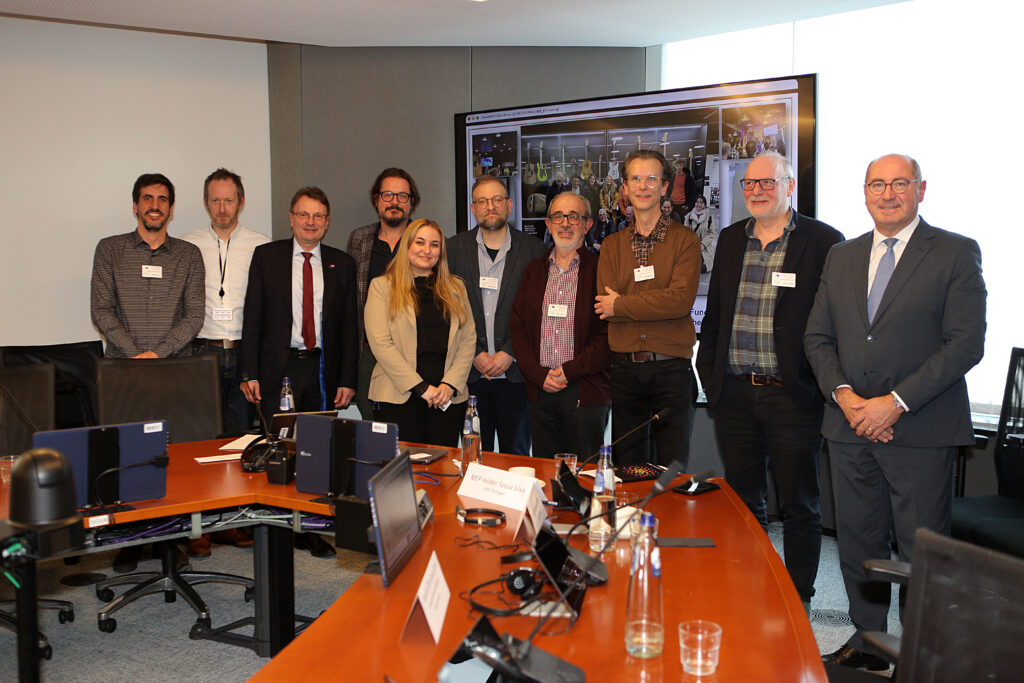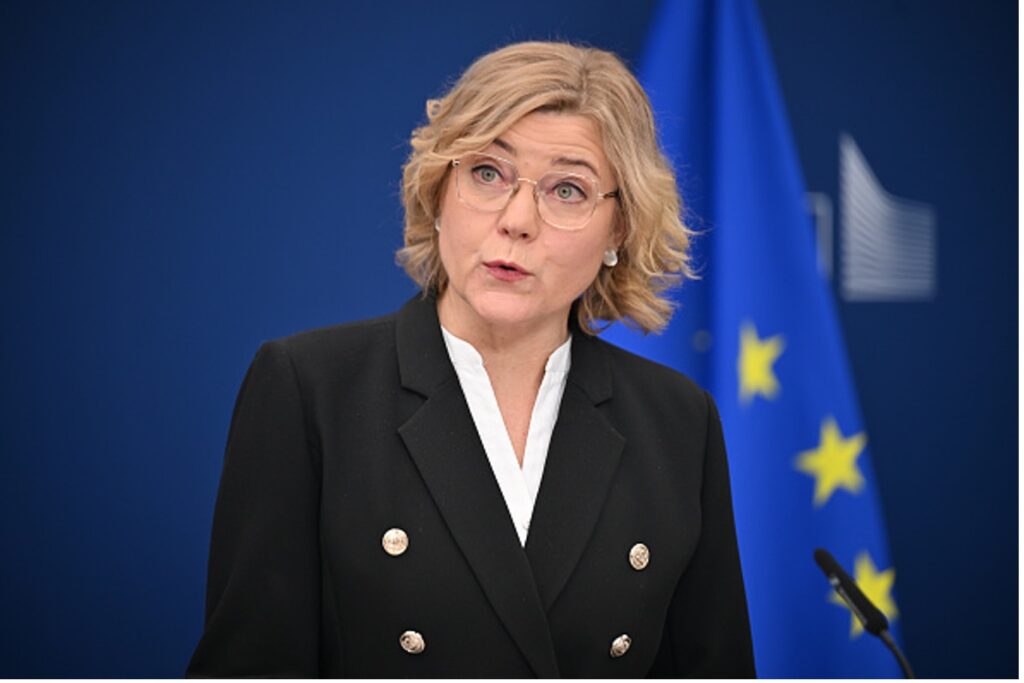

On Wednesday, 3 December performers took the floor at the European Parliament to discuss a matter not often discussed: the term of their neighbouring rights. During an event hosted by Finnish MEP Maria Guzenina (S&D) performers from Sweden, Finland and Spain took the floor to point out several shortcomings in the 2011 Term Extension Directive, among which the blatant discrimination against actors and other audiovisual performers.
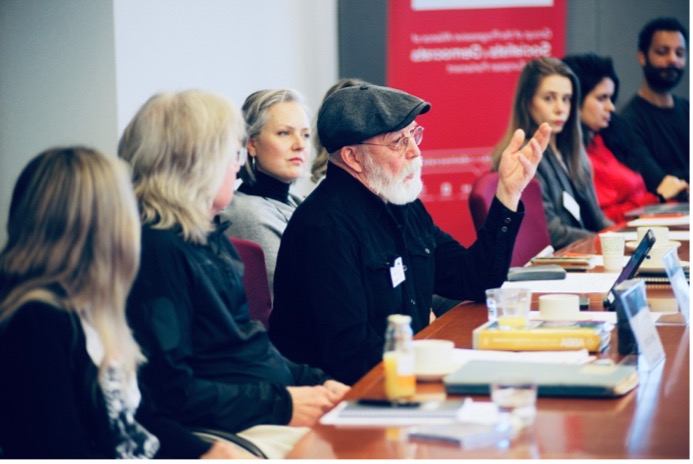

In the music and audiovisual industry actors and musicians are protected by so-called neighbouring rights (or related rights) which are granted for 50 years after the first commercialisation of the album, the movie or the TV-series on which they collaborate. This is in stark contrast to the songwriters, composers, directors and screen writers who are protected by authors rights that guarantee them remuneration for the use of their work until 70 years after their death.
With the 2011 Term Extension Directive the European Union decided to increase the term of protection for performers up to 70 years in order to guarantee that all performers could benefit from their rights for at least their lifetime. However, the extension was given only to music recordings. The protection of performances fixed in audiovisual recordings, remained stuck at 50 years.
Moreover, the extension for musicians came with a set of additional measures put in place to guarantee that the performers themselves – and not just their record labels – would actually benefit from the extension. Evidence now shows that the only mechanism that has proven to bring additional revenue to performers is an annual supplementary remuneration for session musicians which is throughout Europe managed by their own CMOs.
Nevertheless, in a recent report the Commission concludes that the Directive has achieved all of its objectives and that no further follow-up is required.
A good reason for Maria Guzenina to invite some performers to the Parliament and ask them what could be improved. “In the end it is always the artist who pays. So, when it comes to legislation, their voice should be heard.”
And so, picking up her former role as music journalist, Maria Guzenina interviewed a series of performers who travelled to Brussels to discuss the matter. And in addition to sharing some fascinating stories from their many years as artists, they all agreed that there is still work to be done by Europe regarding the term of protection.
When asked about the benefits of a longer protection on the many recordings he worked on Janne Schaffer, a Swedish artist with numerous highly successful solo albums still touring today and playing to packed out audiences; also known for his performances as a session musician with some of the greatest bands on earth, including ABBA, stated: “These rights, and surely the payments we receive via our collective management organisations, are a vital element of the professional income of a musician. Being a professional musician comes with a lot of sacrifice and the possibility to receive a remuneration whenever your work is being used is something all performers should be able to rely on throughout their whole career.”
Finnish renowned steel guitar player Olli Haavisto, who has worked on more than 700 albums throughout his career, explained that: “As session musicians we receive a buy-out-out from the record companies. When our songs are played on the radio or in shops and bars, we receive some remuneration from our collective management organisation. They keep track as much as they can of our whole repertoire which is exploited by different record labels. As a result, it is because of them that we now receive a part also of streaming of our records once they are 50 years old. Before that time, we receive nothing from streaming.”

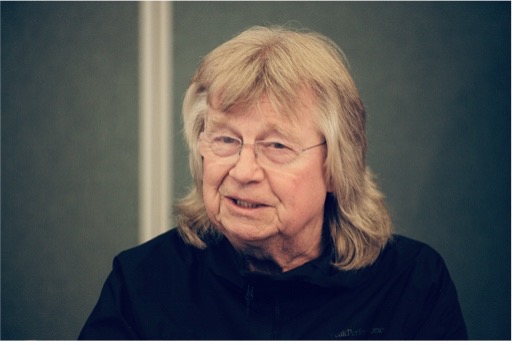
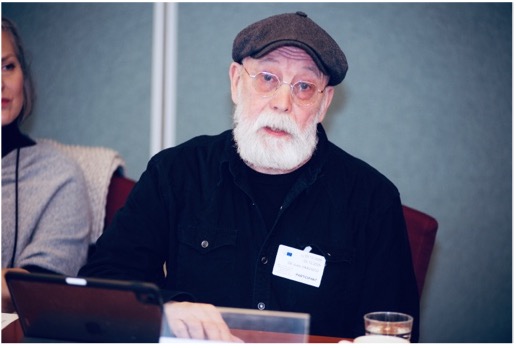
Spanish actress Isabel Blanco, known for her roles in Mares vivas and Ispansi and winner of multiple Mestre Mateo Awards for Best Leading Actress, criticised the continued discrimination against actors: “I don’t understand the logic why actors are not receiving the same protection. In the movie industry, we are also faced with buy-out-out contracts as a basis. In Spain we are very lucky to have a legislation that allows our local CMO to collect for streaming. This system has been working perfectly and is something that should be harmonised throughout Europe. And of course, we would also like to have the possibility to receive this for 70 years and not just 50.”
Patricia Riera-Barsallo, participating in the panel as representative of the Spanish CMO AISGE, stated that “After almost 15 years, the only tangible added value of this Directive is the value that performers themselves have created through their own CMOs. And even there, the results would have been better if they had been able to count on the constructive cooperation of all producers.” She also made a strong statement against the Commission’s analysis on why audiovisual performances should not be given the same protection as music recordings: “The arguments used are interchangeable. Every argument the Commission uses against providing actors with an extended protection can also be used to not provide musicians with it. And every argument they have used to provide musicians with an extended term, can equally be used to justify an equal term of protection for audiovisual performances. It is nothing less than discrimination.”
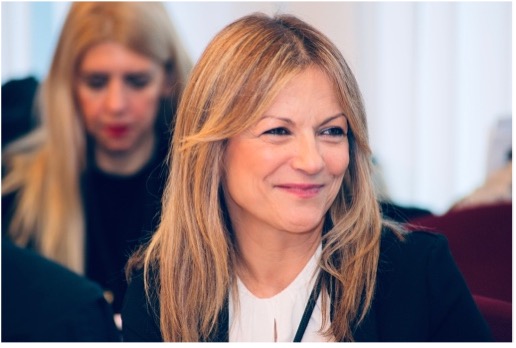
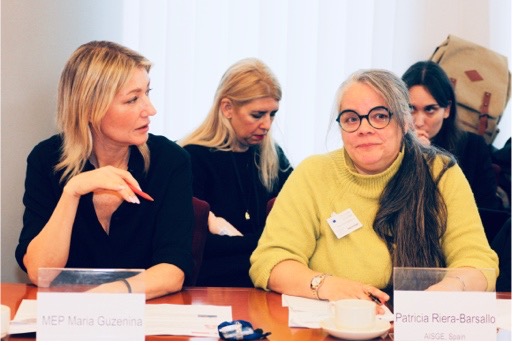
After the exchange with performers, several other MEPs present provided their reflections. French MEP Emma Rafowicz (S&D) stated: “Europe needs to protect workers, and this includes the cultural workers too. The extension has changed very little in the lives of our performers. They are still facing unbalanced contracts. Buy-outs are still a widespread practice for them. The situation we are confronted with is unworthy of the European Union we aspire to be. This needs to change.”
Swedish MEP Pär Holmgren (Greens/EFA) commented that: “The protection of performers is a crucial matter to me. It’s an important element in the sustainability of the artist.”
Austrian MEP Hannes Heide (S&D) referred to the extensive work that Parliament had already done to put the interests of artists on the agenda. “One of the main priorities of the CULT committee is to look after the working conditions of our artists. Their position is still precarious. We have been fighting for a long time for the abolishment of these buy-out-out contracts and they are still a big problem for the working conditions of our artists. This needs to be included in the EU artist charter, which is an element of the new cultural compass.” and added “We have talked a lot about the issues of performers here at the Parliament. And we often put focus on the musicians. So, I am happy that today we have also addressed our actors. The EP has long called for equal treatment of all performers.”

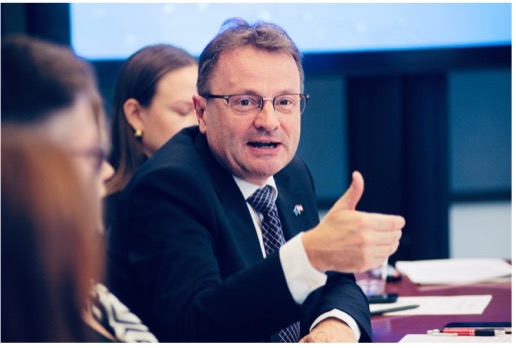
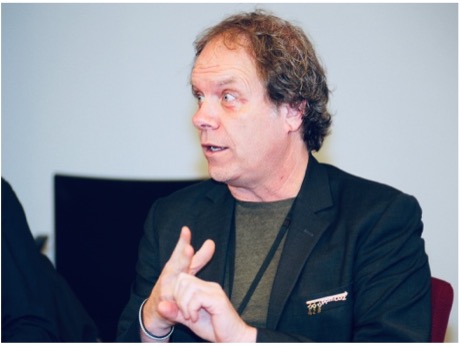
AEPO-ARTS’ General Secretary Ioan Kaes thanked all MEPs for their outspoken support and summarised the desired follow-up by the Commission: “Performers request that the Commission drafts a proposal to fix the gaps in this important Directive so that it becomes of real added value for our actors and musicians. The discrimination against audiovisual performers needs to be cut out. Performer CMOs must be granted a strong and enforceable right to information towards producers. And the right to receive a remuneration from streaming for music and audiovisual recordings should apply from year one and not year 50. In addition, the Commission should draft guidelines on the practice of the management of the annual supplementary remuneration to allow performer CMOs to manage this right in a harmonised way.”
(The full position paper of AEPO-ARTIS can be found here.)