Back

AEPO-ARTIS wraps up successful conference on 7 years of the CDSM Directive

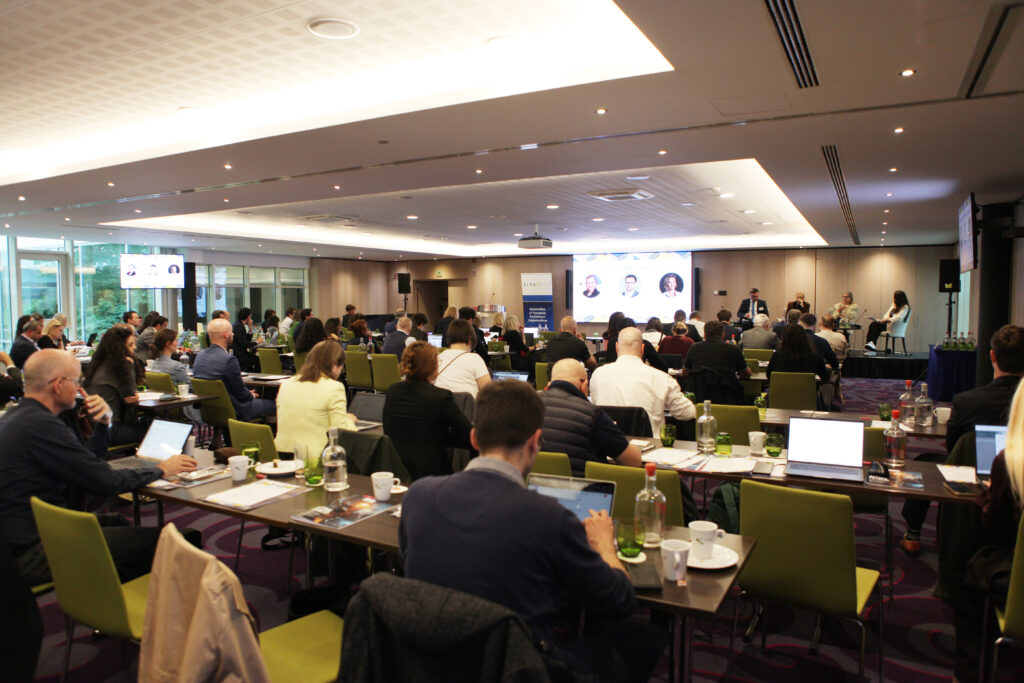
On 5 May, AEPO-ARTIS organised its 2026 Annual Conference focussing entirely on the assessment of the 2019 CDSM Directive.

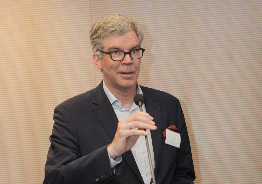
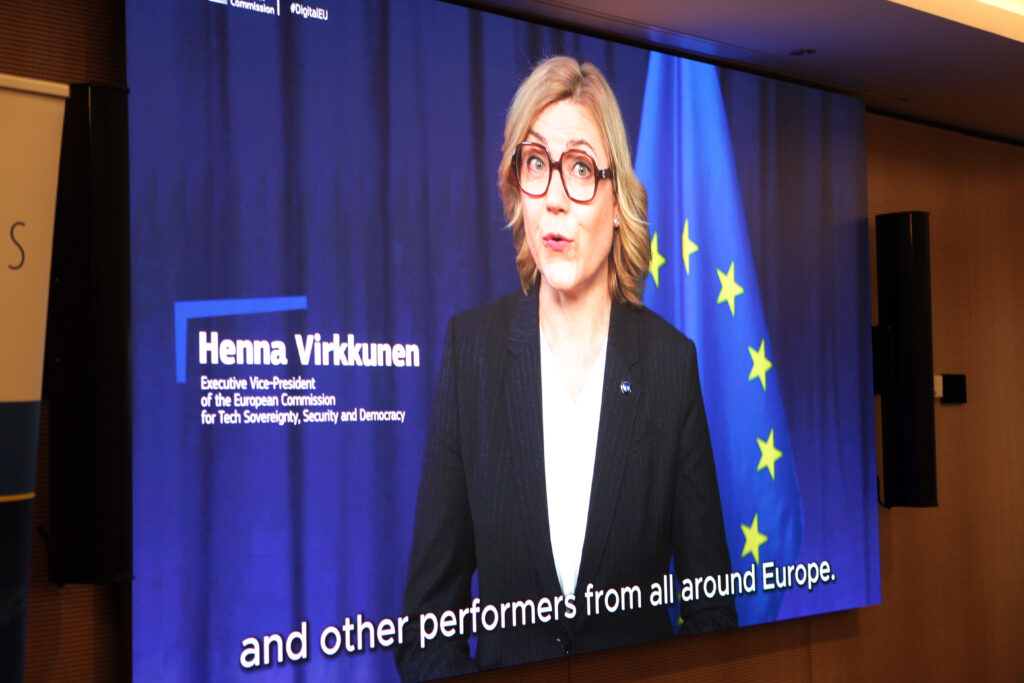
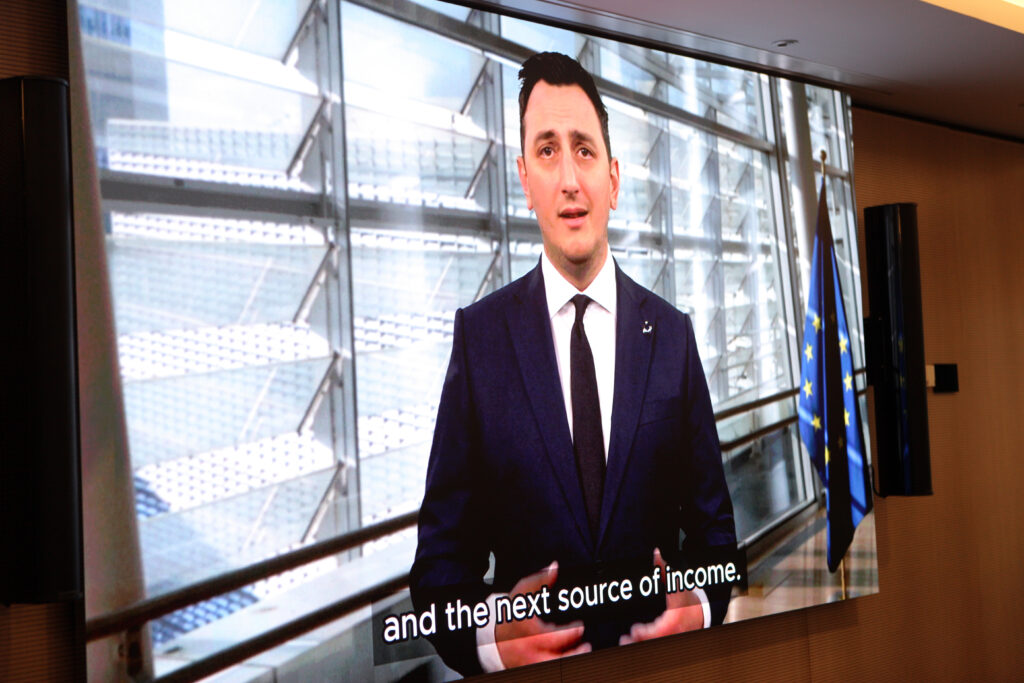
In his opening speech, AEPO-ARTIS president Tilo Gerlach already indicated that we are seeing increasingly more characteristics of a changing climate within the European institutions. This was immediately confirmed by the words of EVP Henna Virkkunen, who stated that “Performers are at the heart of the cultural sector.” While referring to the fact that performers bring value to the cultural sector, she emphasised that remuneration is key for performers and that the upcoming assessment will investigate “How the principles in the Directive have affected their negotiation position’.

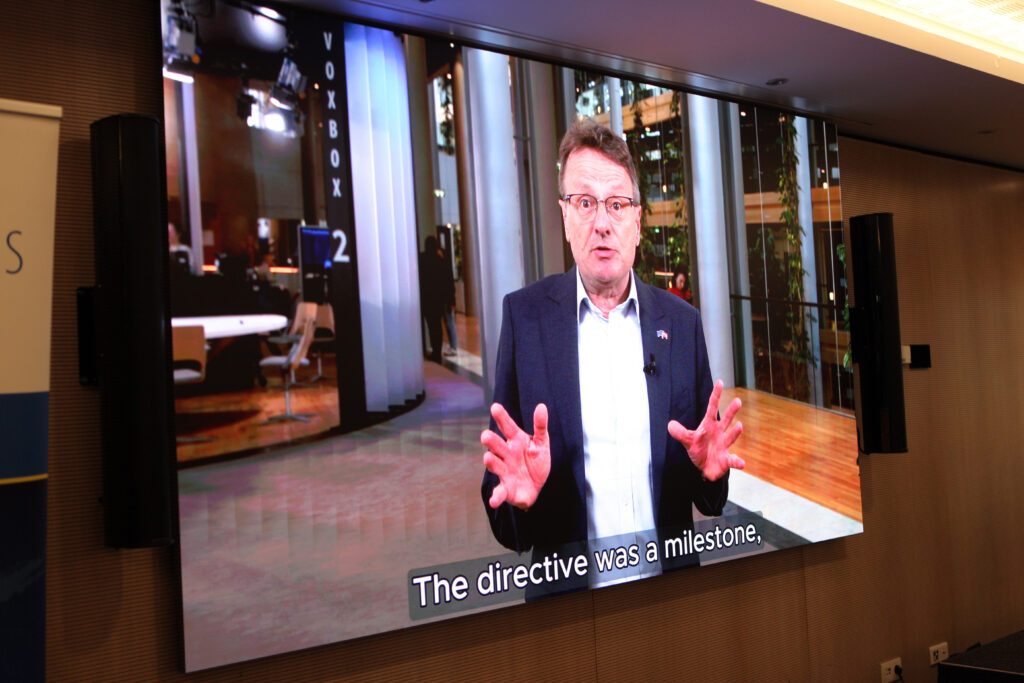
Commissioner Glenn Micallef confirmed the contribution that performers give to our cultural values and that the assessment of the Directive needs to identify the impact on fair remuneration, hereby referring explicitly to streaming. Regarding AI, he noted that the Commission is considering the need for new measures and that “the benefits of AI need to be felt by the Cultural Creative Sectors.” 

In his speech MEP Hannes Heide made it clear: “We are no longer discussing ambitions. We are discussing impact.” The EP will not be satisfied with principles on paper. They want rights in practice and will call upon the Commission for action.  


After these encouraging words, AEPO-ARTIS Head of Legal Nick Yule was tasked with confronting the audience with the fact that in practice, there is still very little sign of improvement in the situation of actors. A brief presentation of our most recent report “Acting Fairly?”, based on input from more than 2,300 professional actors – demonstrates in black and white that we are still far from being able to speak of having acquired effective rights in practice. 


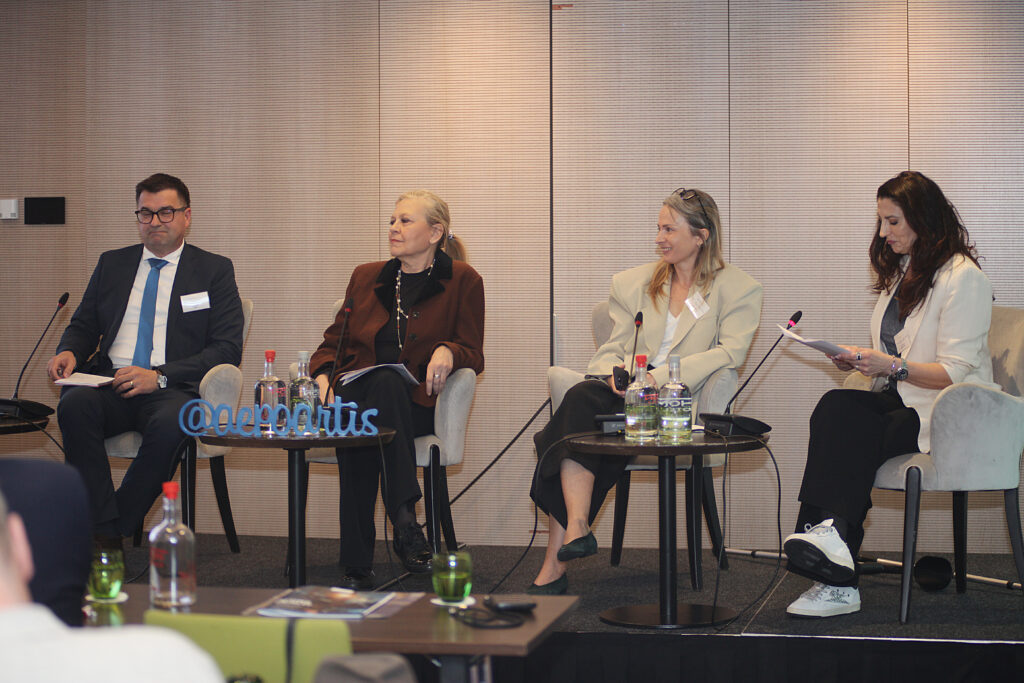
The recommendations of this report, i.e. the search for solutions that fall outside the contractual relationship, such as non-transferable compensation rights, were the topic of discussion at the first panel of the day. Moderated by French actress Nathalie Boyer, representatives from CMOs from Italy (Isabella Longo), Poland (Sylwia Biadun) and Slovenia (Uroš Rožič), discussed the positive impact of the new legislations they have been able to work with in their countries since the implementation of the Directive. Each of these new sets of laws provides for non-transferable remuneration rights for both performers and authors, whereby the collective management organisation is responsible for collecting directly from the end users. 


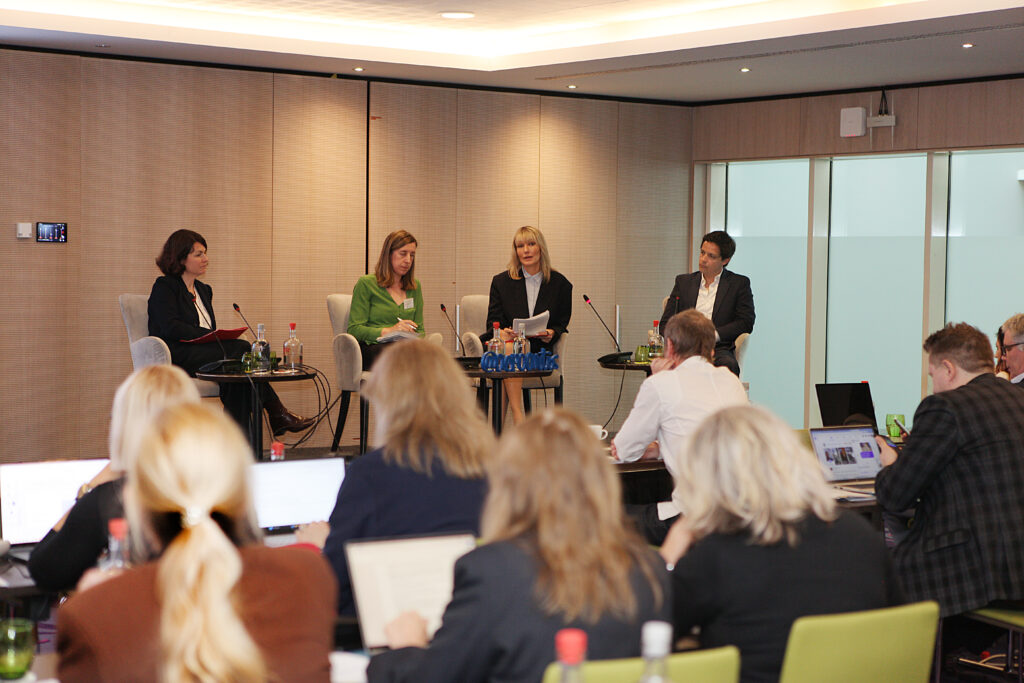
In the second panel, the floor was then given to the institutions themselves. Head of the Copyright Unit Emmanuelle Du Chalard, MEP Maria Guzenina, and Nóirín Ní Earcáin, responsible for copyright under the upcoming Irish Presidency, provided their views on the assessment, in which each of the institutions plays an important role. 


While Emmanuelle pointed out that the objective is to gather evidence from certain sectors, Nóirín admitted that so far it has been difficult to have data on the impact of the Directive, thereby praising the work AEPO-ARTIS has done with the Acting Fairly? report. Maria, in turn, referred to the work that the Parliament has already carried out by keeping a close eye on the Directive and increasing pressure on the Commission to prioritise the needs of artists when evaluating its impact. 


It was confirmed that the Commission expects the first version of the assessment study to be finalised by the summer and that the actual Commission report can be expected by the end of the year, or quite soon. Emmanuelle indicated however, “We have all the tools in the Directive, so if we notice that they are not working, we need to have the discussion on why that is”, thereby slightly tempering expectations that the Commission will take a strong position on additional measures. Mention was also made of the fact that the TDM exception is also part of the review and that additional measures could indeed be introduced.  


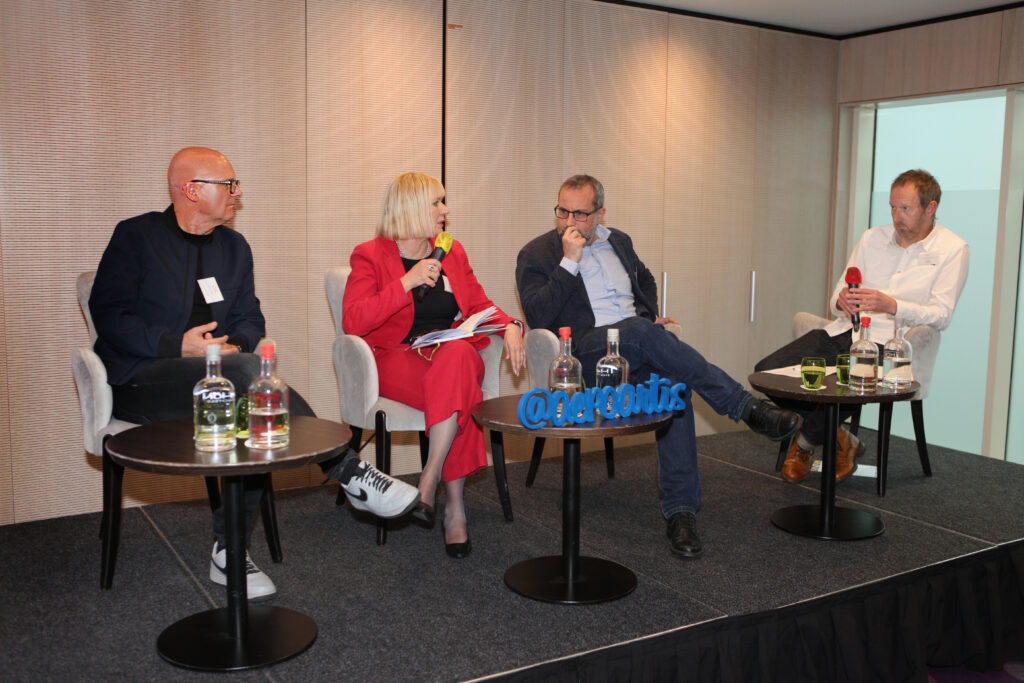
The third panel turned to the impact of the CDSM Directive on musicians and brought together Kristina Delfin Kanceljak (HUZIP), musician Michael Schack and Ibán García Del Blanco, moderated by AEPO-ARTIS Head of Legal Nick Yule. The discussion reflected on developments in the music sector since the adoption of the Directive and revisited themes previously highlighted in the European Parliament resolution on Cultural diversity and the conditions for authors in the European music streaming market. Participants considered areas where progress has been made, but also where longstanding concerns remain, particularly regarding remuneration and whether the expected improvements for creators and performers have materialised in practice. 


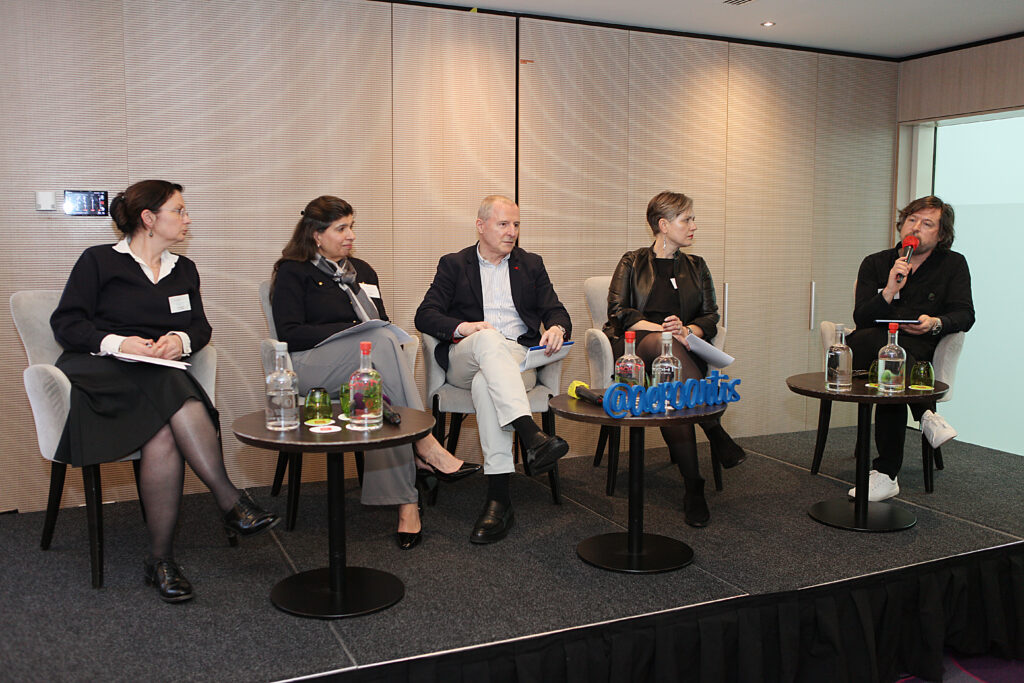
In a final panel, focus was put on the impact of the Directive on new technologies, and in particular AI. With Kristina Janušauskaitė (IFPI), Tayyiba Nasser (BECS), Juliette Prissard (EUROCINEMA) and Pal Tomori (EJI) producers and performers from both the music and audiovisual sector were well represented. 


The debate delved into the AI timeline and the fact that in 2019, no one within the CCS paid attention to the TDM exception. Nevertheless, in the meantime all on the panel see the impact of generative AI on the business of their members.  


While all stakeholders support the need for reinstalling the principles of authorisation, transparency and remuneration, the road towards these common goals seems saturated with intersections and forks. This applies both to whether more trust should be placed in the judiciary or new legislation, and who should fulfil which role. 


Nevertheless, everyone agreed on the Voss report and the notion of voluntary licensing. There is no need for a system in which the government forces rightholders to license their content and determines the price of their works. Rightholders must retain the freedom to enter into negotiations with users, including in the AI industry, individually or collectively. 


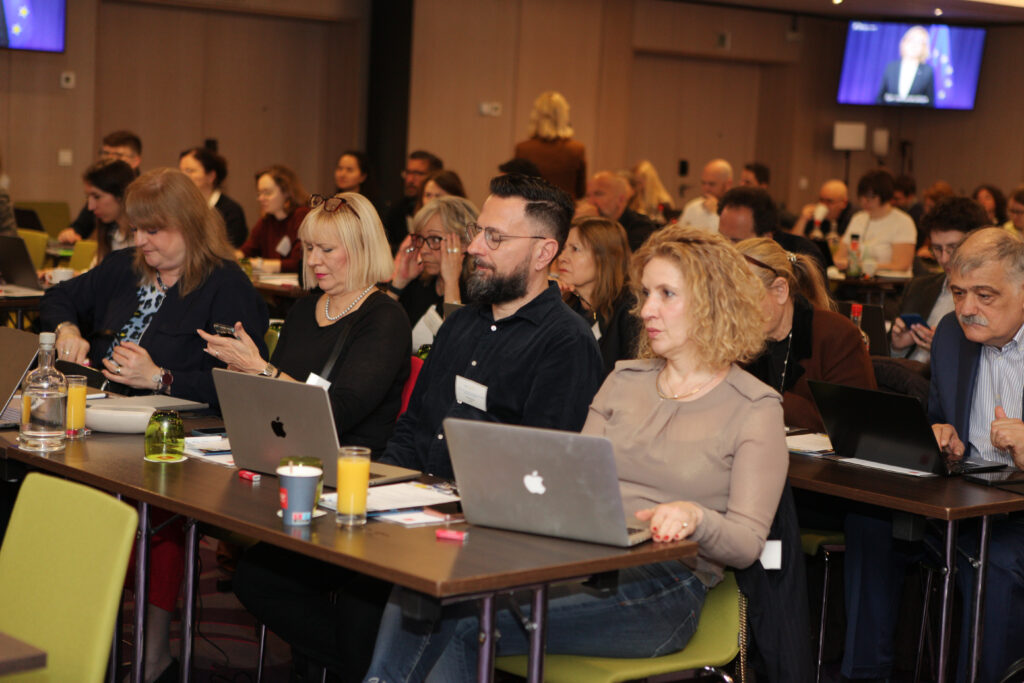
That small consensus brought an end to a long day of intense discussions and, above all, the opportunity for our members to engage in direct debate with European policymakers, on stage and during the coffee breaks. We would like to express our sincere gratitude to everyone who attended our conference (as a speaker or participant) for their support of this particularly important event for your organisation.